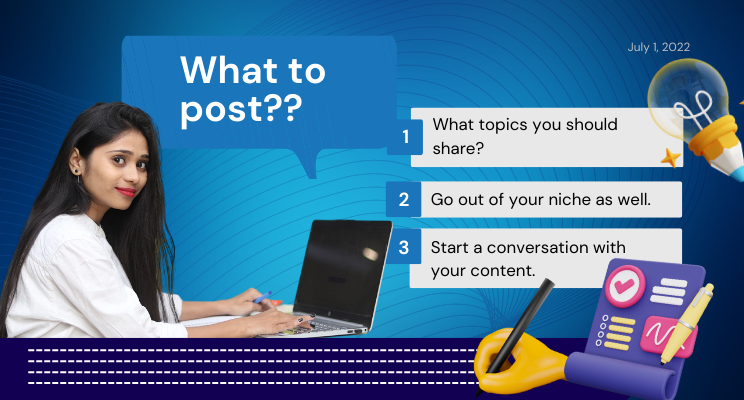
Your LinkedIn Isn’t Broken. Your Positioning Is.
Your LinkedIn Isn’t Broken. Your Positioning Is. Blog Linkedin Growth Digital Marketing Many professionals blame LinkedIn for low engagement, few opportunities, or lack of recognition. The truth? Your LinkedIn isn’t broken, it’s your positioning. In 2026, positioning isn’t just a buzzword; it’s the foundation of how others perceive you. Authenticity, credibility, and productivity will naturally follow when your positioning is strong. What is Positioning? Positioning is how you present yourself and your work to your audience. Think of it as your “social outfit” on LinkedIn: Every detail matters: Your profile picture, the words you write, your activity, and even your tone. Consistency is key: Just like dressing up perfectly for a meeting, your online presence should feel polished and intentional. Personality shows: When someone reads your post or interacts with you online, they should feel like they are experiencing you the real you. Types of Positioning You Can Use on LinkedIn There are many ways to position yourself. Here are the key types that work in 2026: 1. Expert Positioning You’re known as a go-to person in your niche. Share insights, case studies, and actionable knowledge. Example: “I help startups scale their marketing without burning cash.” 2. Personal Brand Positioning Focuses on you as a person. Your personality, tone, and story matter more than just facts. Example: Your posts are relatable, witty, or inspiring, making people feel they know you personally. 3. Thought Leadership Positioning Share forward-thinking ideas and predictions. Position yourself as someone who not only understands today but is shaping tomorrow. Example: “Here’s how AI will redefine digital marketing by 2026 and why you should care.” 4. Problem-Solver Positioning Position yourself as the solution provider for a specific audience problem. Example: “I help small businesses get leads without spending on ads.” 5. Event/Community-Based Positioning Leverage speaking events, collaborations, or communities to create social proof. Example: Posts about “Panelist at XYZ Summit” or “Hosting a discussion on the future of work.” How to Position Yourself Correctly Think of positioning like styling yourself for a professional event every detail matters: Profile Optimization: Clear headline, compelling summary, and professional photo. Consistent Content Tone: How you write should reflect your personality and your niche. Audience-Centric Activity: Comment, share, and post with intention. Everything should reinforce your positioning. Offline & Online Alignment: Your interactions in real life events, meetings should match your online presence. Refine Over Time: Positioning isn’t static. Observe, adapt, and grow as your goals evolve. Your LinkedIn profile isn’t broken. If your network isn’t engaging, opportunities aren’t coming, or you’re feeling invisible, look at your positioning first. Correct positioning = authenticity + credibility + authority all naturally . Every post, comment, interaction, and connection should reinforce your positioning. In 2026, it’s no longer about just “being active” or “authentic” it’s about being strategically positioned. Think of your positioning like your wardrobe for a high-stakes meeting: even one missing detail can ruin the impression. Every small thing on LinkedIn matters from your profile picture to your post formatting. LinkedIn Content Planner 2025: Free Template Omnichannel Marketing How to do content Marketing on LinkedIn? Want to go viral on LinkedIn? FAQs About: Your LinkedIn Isn’t Broken. Your Positioning Is. 1. What is LinkedIn positioning? LinkedIn positioning is how you want people to understand you professionally. It clearly shows what you do, who you help, and why someone should trust your expertise. Good LinkedIn positioning makes your profile easier to understand and remember. 2. Why is LinkedIn personal branding important in 2026? LinkedIn personal branding helps you build trust before someone talks to you. A strong personal brand can make it easier to attract clients, opportunities, partnerships, and the right audience without constantly promoting yourself. 3. How can I improve my LinkedIn profile? Start with LinkedIn Profile Optimization. Make your headline clear, explain your expertise in the About section, highlight meaningful results, and use relevant keywords naturally. Your profile should quickly answer what you do, who you help, and what makes you different. 4. What is the best LinkedIn personal branding strategy? A good LinkedIn Personal Branding Strategy starts with clear positioning. Define your niche, understand your audience, share useful content consistently, show your experience through real examples, and engage with people in your industry. The goal is to become known for something specific. 5. How does LinkedIn SEO work? LinkedIn SEO helps your profile and content appear when people search for specific skills, services, roles, or expertise. Using relevant keywords in your headline, About section, experience, skills, and content can improve your visibility in LinkedIn search and beyond. 6. What should I include in my LinkedIn profile strategy? Your LinkedIn Profile Strategy should cover three things: positioning, profile optimization, and content. First decide what you want to be known for, then make your profile support that message, and finally create content that consistently reinforces your expertise. 7. How can LinkedIn content help build a personal brand? A strong LinkedIn Content Strategy helps people understand your expertise through your ideas, experiences, lessons, and opinions. Instead of only talking about what you offer, share useful insights that solve real problems for your target audience. 8. How long does it take to build authority on LinkedIn? LinkedIn Authority Building takes time because people need to see your expertise consistently before they trust it. There is no fixed timeline, but clear positioning, useful content, genuine engagement, and consistency can gradually build a stronger professional reputation. LinkedIn positioning is how you want people to understand you professionally. It clearly shows what you do, who you help, and why someone should trust your expertise. Good LinkedIn positioning makes your profile easier to understand and remember. LinkedIn personal branding helps you build trust before someone talks to you. A strong personal brand can make it easier to attract clients, opportunities, partnerships, and the right audience without constantly promoting yourself. Start with LinkedIn Profile Optimization. Make your headline clear, explain your expertise in the About section, highlight meaningful results, and use relevant keywords naturally. Your profile should quickly answer what you do, who
Your LinkedIn Isn’t Broken. Your Positioning Is. Read More »